
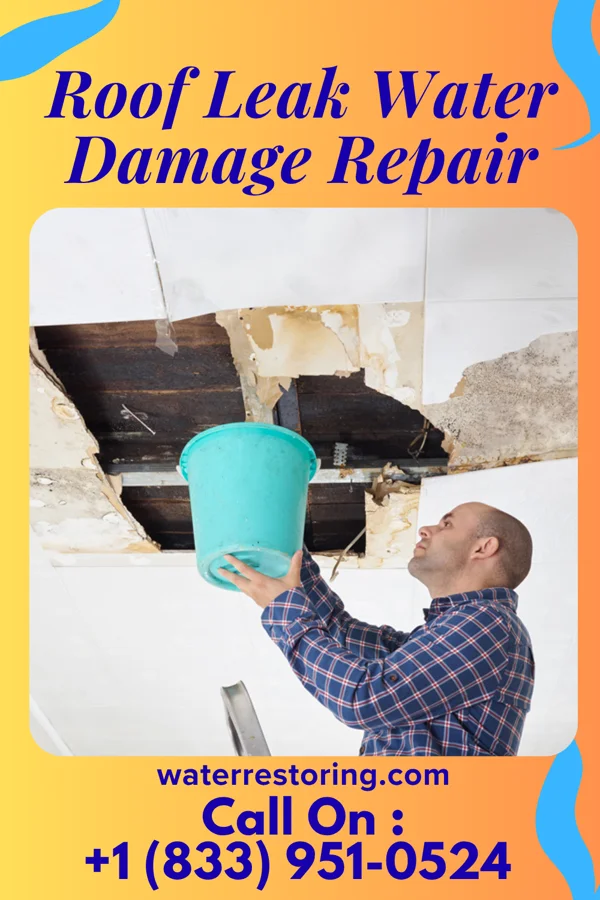
Why Roof Leaks Hit Plummer Hard
The pattern in Plummer is consistent. Plummer, Minnesota experiences frequent thunderstorms and heavy rainfall, especially during late spring and early summer. These storms can lead to sudden roof leaks due to the intense downpours and strong winds that may damage roofing materials. The region's cold winters also contribute to ice dams, which can cause water to back up under shingles and seep into the home. drives most of the emergency restoration calls we get. A close second is The area is prone to snowmelt runoff in the spring, which can overwhelm drainage systems and cause water to pool around the foundation. This, combined with freezing temperatures, can lead to frozen pipes and additional water damage risks. Summer humidity levels can also increase the likelihood of condensation and mold growth in poorly ventilated attics..
The combination of heavy rainfall, freezing temperatures, and strong winds in Plummer creates a unique set of challenges for roof integrity. Homes in this area are particularly vulnerable to water damage from both seasonal storms and long-term weather exposure.
The combination of heavy rainfall, freezing temperatures, and strong winds in Plummer creates a unique set of challenges for roof integrity. Homes in this area are particularly vulnerable to water damage from both seasonal storms and long-term weather exposure. The dominant local driver is Plummer, Minnesota experiences frequent thunderstorms and heavy rainfall, especially during late spring and early summer. These storms can lead to sudden roof leaks due to the intense downpours and strong winds that may damage roofing materials. The region's cold winters also contribute to ice dams, which can cause water to back up under shingles and seep into the home., with The area is prone to snowmelt runoff in the spring, which can overwhelm drainage systems and cause water to pool around the foundation. This, combined with freezing temperatures, can lead to frozen pipes and additional water damage risks. Summer humidity levels can also increase the likelihood of condensation and mold growth in poorly ventilated attics. showing up as the next most common cause. Damage builds in stages. Spread. Absorption. Microbial growth. Structural compromise. Every stage you pass through adds to the final bill.